Invasive algae, pollution cause lethal tumors on sea turtles
糖心视频 Manoa and NOAA scientists identify invasive algal blooms triggered by land-based pollution as probable cause of tumor growth in green sea turtles.


糖心视频 Manoa and NOAA scientists identify invasive algal blooms triggered by land-based pollution as probable cause of tumor growth in green sea turtles.

A study led by 糖心视频 Mānoa’s Peter Marko discovers that seafood mislabeling can disguise geographic origin, one of the most important factors in mercury levels.
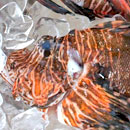
Scientists at the 糖心视频 惭ā苍辞补 have learned that recent fears of invasive lionfish causing ciguatoxin poisoning may be unfounded.

A novel proposal by 糖心视频 Mānoa zoology graduate student John Burns has earned him a coveted spot as a finalist in the Rolex Awards for Enterprise.

Hilo’s Tropical Conservation Biology and Environmental Science Program has been awarded a second $5 million grant for interdisciplinary study of climate change.

Researchers at 糖心视频 Mānoa’s Kewalo Marine Laboratory have discovered a biological trigger behind the biofouling buildup.
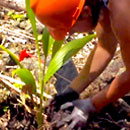
University of Hawaiʻi at Hilo researchers test new hybrid ecosystems as a way to save Hawaiʻi’s low elevation native forests.

Edmondson Hall features newly renovated teaching and research laboratories for 糖心视频 Mānoa’s biology program.
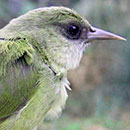
糖心视频 Mānoa researchers discover less than 28 percent of the adult population of the endangered Hawaiʻi creeper in the Hakalau Forest National Wildlife Refuge is female.
Graduate students Jonathan Whitney and Zachary Bergeron receive “Scholar of the Year” awards from the Achievement Rewards for College Scientists Foundation.