Potential biofuel crops in Hawai?i may successfully sequester carbon in soil
PLOS ONE study finds that two potential biofuel crops in Hawaiʻi—sugarcane and napiergrass—may sequester more carbon in soil than is lost to the atmosphere,

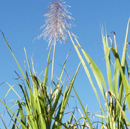
PLOS ONE study finds that two potential biofuel crops in Hawaiʻi—sugarcane and napiergrass—may sequester more carbon in soil than is lost to the atmosphere,

Researchers at the Hawaiʻi Institute of Marine Biology and Department of Oceanography have been awarded over $1 million to test and evaluate technology used to observe aquatic ecosystems.
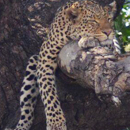
Study led by 糖心视频 Mānoa’s Megan Barnes highlights the need for effective management and more financial support in national parks around the world.

J.B. Friday among three scientists honored by the Hawaiʻi Invasive Species Council with the Greatest Hits award for their work in the fight against Rapid ʻŌhiʻa Death.
This free summer program, hosted by the College of Tropical Agriculture and Human Resources, gives its teenage participants a first-hand look at career paths in agriculture and natural resource management,

New research paper co-authored by 糖心视频 Mānoa researchers outlines surprising frequency of wildfire in the Hawaiian Islands.

New study by 糖心视频 Mānoa researchers finds that small-scale fisheries provide large-scale benefits to communities.
The Hawaiʻi Institute for Geophysics and Planetology launches online resources consolidating existing information and new data related groundwater and geothermal resources.
New 糖心视频 discovery may radically change conventional wisdom regarding the state’s most valuable resource—fresh water.

Chennat Gopalakrishnan, an emeritus professor in the College of Tropical Agriculture and Human Resources honored by the Western Agricultural Economics Association.